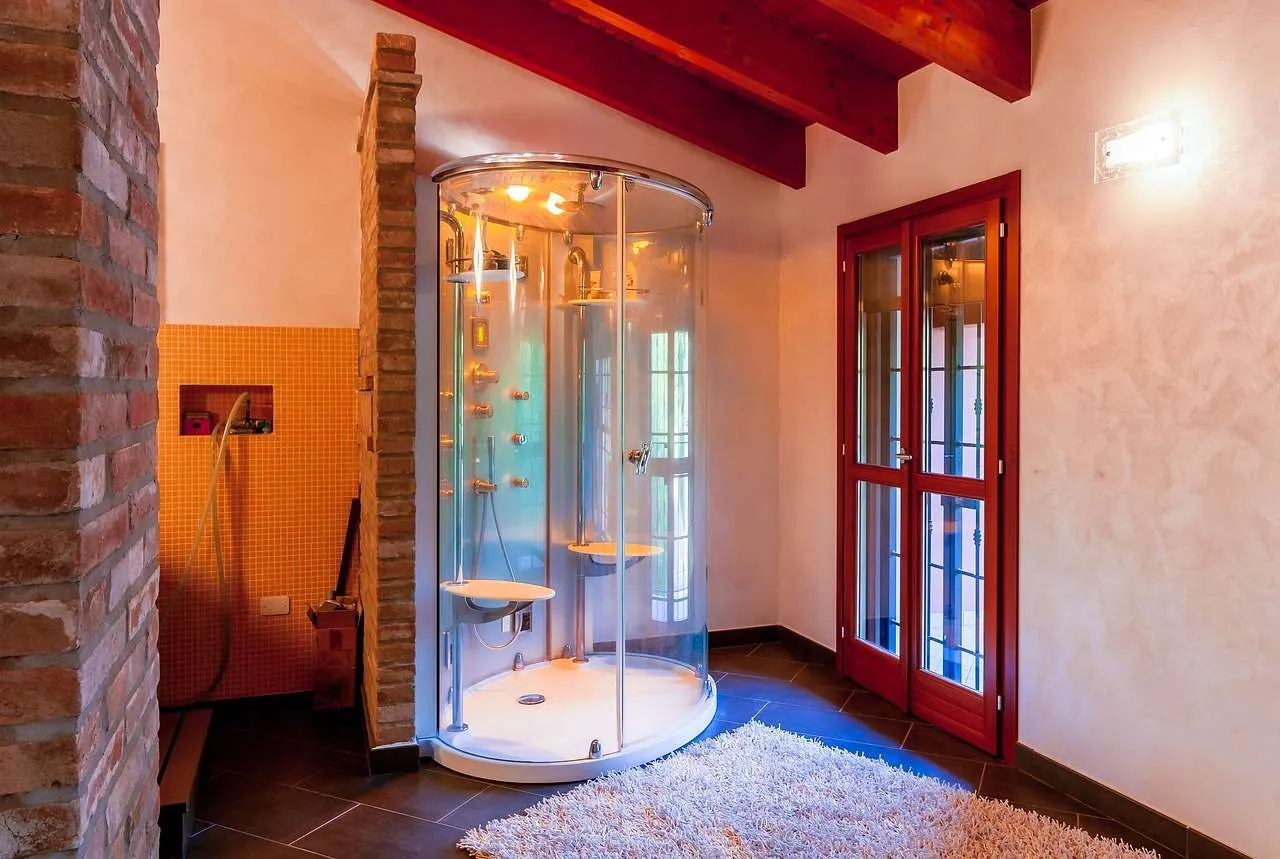
When a bathroom is small, every inch counts. This guide uses expert advice and practical layouts to help you craft a room that feels larger, more functional, and visually calm. Whether you’re renovating an apartment bath or upgrading a powder room, the core ideas below are based on design principles used by professional interior designers and plumbing specialists. By focusing on flow, storage, light, and durable materials, you can achieve a polished look without sacrificing function.
Smart Layouts for Small Bathrooms
Smart layouts maximize usable space while keeping wet zones organized. Start with a simple plan that prioritizes clear paths and easy access to fixtures. A common approach is to place the toilet and shower on one wall and the vanity on the opposite wall to create a natural flow. If possible, wall-mount fixtures free up floor space and make cleaning easier, which contributes to a feeling of airiness.
Zoning and Flow
Think in zones: wet zone (shower or tub) and dry zone (sink and storage). A glass shower door or a curbless shower with a frameless panel can visually expand the space, while keeping moisture contained. A single, continuous material palette throughout the room helps the space read as one cohesive area rather than a collection of separate parts.
Fixtures that Save Space
Choose wall-hung or back-to-wall fixtures to free floor area. A compact, wall-hung toilet with a slim tank and a pedestal or wall-mounted sink can dramatically reduce visual bulk. If you prefer a vanity, opt for a narrow unit with drawers rather than a bulky cabinet, and consider a sink that tucks into the countertop edge to minimize footprint.
Storage Solutions That Maximize Space
Storage is the backbone of small-bathroom usability. Integrate storage into vertical walls and under fixtures to keep the floor clear. Built-in niches inside the shower or behind the door provide moisture-resistant shelving for toiletries without stealing space.
Smart Storage Options
Consider a medicine cabinet with a mirrored front for dual purpose, and a vanity with shallow drawers or pull-out organizers. Open shelving at eye level can hold towels and daily-use items if you choose closed baskets to reduce visual clutter. For guests or renters, freestanding slim cabinets or over-the-door organizers can add storage without permanent alterations.
Light and Color to Create Space
Light is a powerful ally in small bathrooms. Use a bright, neutral base and introduce reflective finishes such as polished chrome, glass, and glossy ceramic tiles. A large mirror or mirrored surfaces amplify light and give the illusion of depth. When selecting paint, stick to light hues in the same family and introduce a single accent color through towels or accessories to maintain a calm, cohesive look.
Fixtures and Materials for Small Bathrooms
Durable, moisture-resistant materials matter in small spaces. Opt for high-quality porcelain, quartz, or solid-surface countertops that resist staining and humidity. Glass shower enclosures feel lighter than curtains, while pebble or tile floors with a subtle pattern can hide minor imperfections. For a timeless feel, repeat your chosen finishes (metal, tile trim, and cabinetry hardware) throughout the room to anchor the design.
Comparison of Storage Options
| Option | Pros | Cons | Best For |
|---|---|---|---|
| Open Shelving | Easy access; creates airy feel; affordable | Dust and moisture exposure; requires styling | Light, open bathrooms with display space |
| Medicine Cabinet | Conceals daily items; adds mirror surface | Limited deep storage | Daily essentials and grooming items |
| Recessed Niche | Maximizes wall space; moisture resistant | Requires carpentry; can limit height | Shower walls and wet zones |
| Vanity with Drawers | Top-to-bottom organization; efficient storage | Can be bulky; may reduce legroom | Primary storage and counter space |
Expert Tips for a Cohesive Small Bathroom
- Stick to a restrained palette and repeat finishes to create a seamless look.
- Choose compact, water-efficient fixtures that fit your space without feeling cramped.
- Prioritize moisture management with good ventilation and mold-resistant materials.
- Plan for maintenance by selecting easy-to-clean surfaces and accessible storage.
- Consult a licensed professional for critical planning stages, especially plumbing layout and waterproofing, to ensure compliance with local codes and long-term durability.
Practical upgrades can transform a small bathroom into a functional retreat. Start by drafting a basic two-wall plan, then layer in storage and lighting elements that support your daily routines. Small changes, properly executed, deliver big impact without major remodeling.
Conclusion, by combining smart layouts, clever storage, and appropriate materials, you can create a small bathroom that feels larger, stays organized, and remains durable. Prioritize a cohesive color story, efficient fixtures, and thoughtful lighting, and consult professionals when in doubt to ensure a safe, code-compliant space that earns long-term trust and satisfaction.