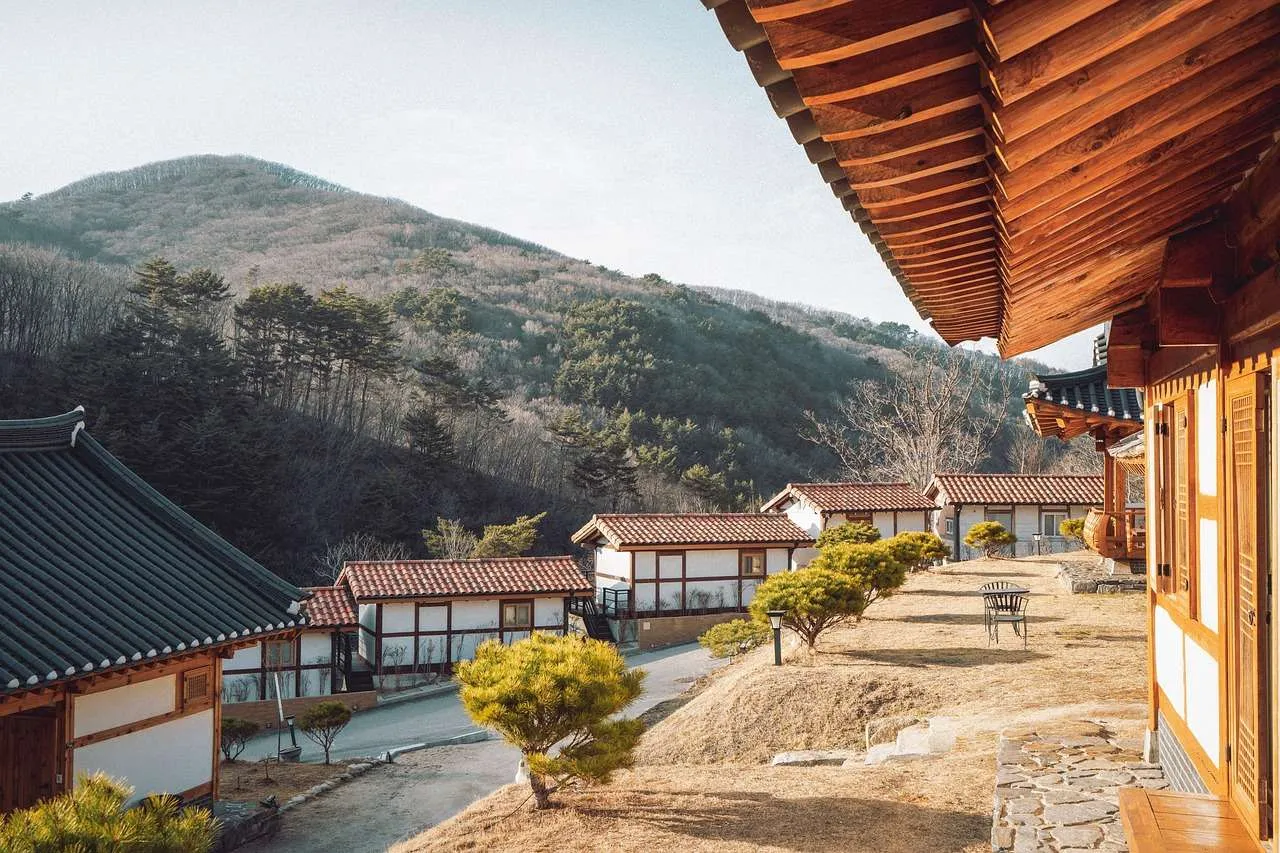
Roofing is a critical system that protects every other part of your home. A well-kept roof improves energy efficiency, maintains interior comfort, and sustains property value. Because roofing and roof repairs can involve significant costs and safety risks, homeowners benefit from understanding when to act, what to expect from professionals, and how to maintain the roof between major projects.
Understanding roofing and roof repairs
Roofing refers to the materials and installation that keep weather out and warmth in. Roof repairs address issues such as leaks, damaged shingles, or flashing failures. Regular inspections identify wear from sun exposure, wind, hail, and debris. Even small problems, if ignored, can escalate into structural damage, mold, or costly replacements.
What counts as roofing work?
Typical roofing work includes replacing shingles, resealing flashing around vents and chimneys, installing underlayment, adjusting attic ventilation, and re-sealing penetrations. More complex projects may involve roof deck repairs, insulation improvements, and full or partial roof replacement. A licensed professional will assess the roof's condition and recommend the most durable solution.
Signs you may need roof repairs
- Missing or curling shingles that expose the underlayment
- Granule loss in gutters or at the eave line
- Water stains on ceilings or interior walls
- Condensation around vents or skylights indicating poor seals
- Visible sagging or unusual roof movement
How to choose a roofing contractor
When hiring a roofing contractor, check licensing and insurance, request a written estimate, and review warranties. Look for a contractor with verifiable references and a track record of on-time project completion. A professional should provide a site-specific contract, a clear timeline, and a payment schedule tied to milestones. For EEAT, verify credentials, and prefer contractors who are members of local trade associations or carry manufacturer certifications.
Common roofing materials and warranties
Common materials include asphalt shingles, metal panels, clay or concrete tiles, and wood shakes. Each has distinct lifespans, weather resistance, and maintenance needs. Warranties may cover materials and workmanship for 20-50 years, but conditions vary. A transparent contract will specify warranty details and what is needed to maintain coverage.
| Service | Typical Scope | Approximate Cost | Pros | Considerations |
|---|---|---|---|---|
| Basic Roof Repair | Localized leaks, shingle replacement | 150-900 | Low cost, quick fix | Temporary; may need rework |
| Roof Inspection | Comprehensive assessment | 100-300 | Identifies issues early | Does not repair |
| Roof Replacement | Full replacement of shingles/underlayment | 5,000-15,000 | Long-lasting protection | Higher upfront cost; upgrades possible |
DIY vs professional roof repairs
For safety and long-term durability, most roof work should be performed by licensed professionals. Climbing onto a roof, working near edges, or dealing with damaged decking requires proper equipment and training. A pro ensures correct nailing patterns, proper flashing, and code-compliant installations, reducing the risk of leaks and insurance disputes.
Maintenance tips to extend roof life
- Regular inspections after storms, at least twice a year
- Keep gutters clean and free of debris to prevent water back-up
- Trim overhanging branches to reduce physical damage and moisture
- Check attic ventilation and insulation for proper balance
- Schedule professional roof inspections annually or after severe weather
Conclusion, a proactive approach to roofing and roof repairs reduces risk, extends life, and protects your home’s value. Work with licensed professionals, document warranties, and maintain a maintenance plan to avoid costly surprises.