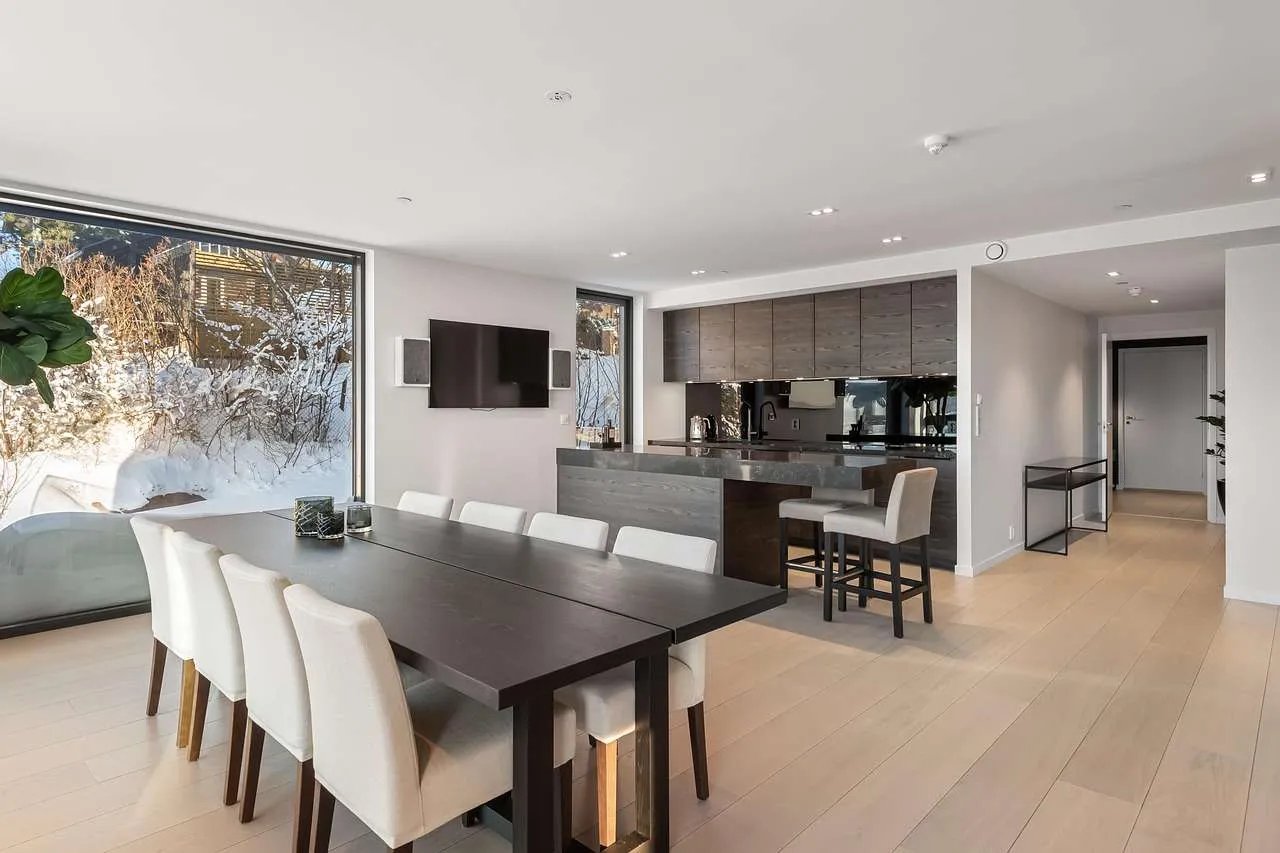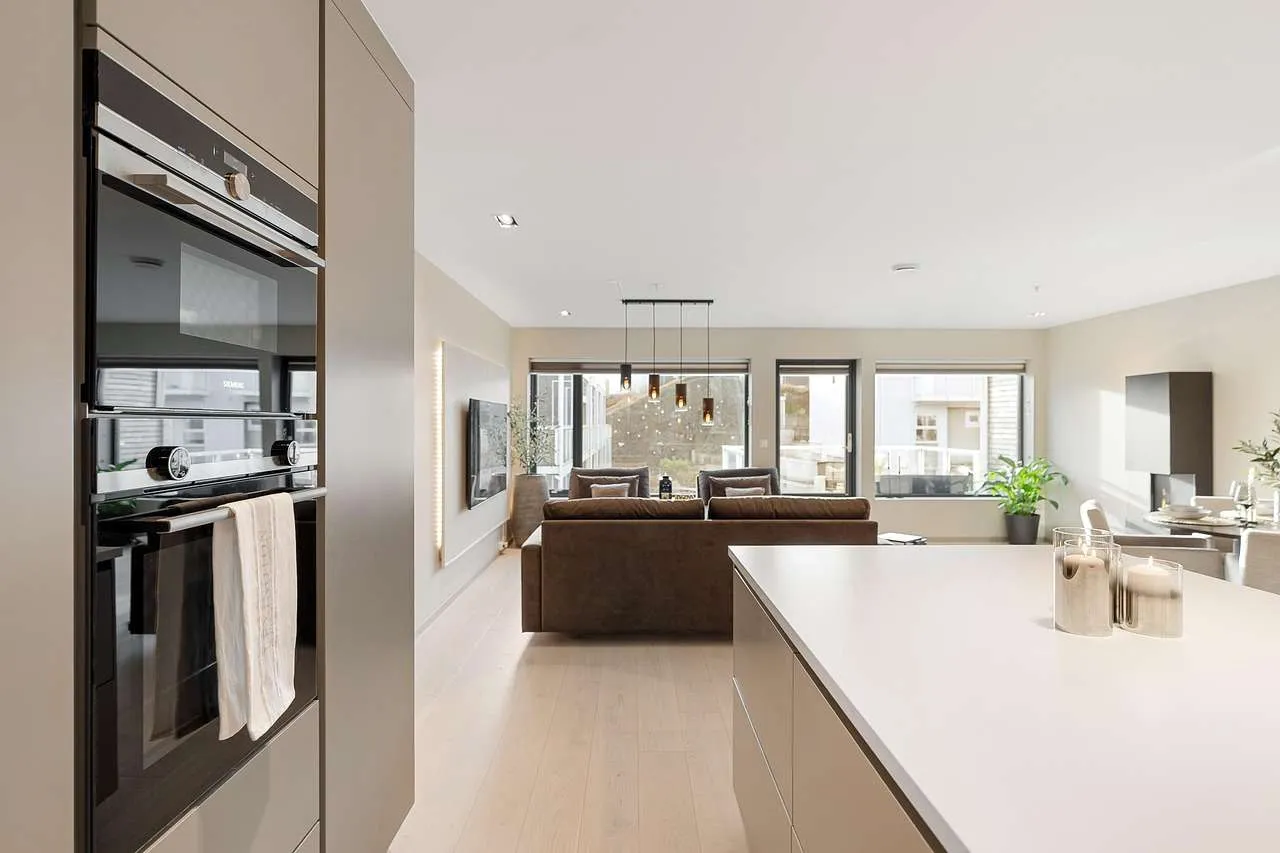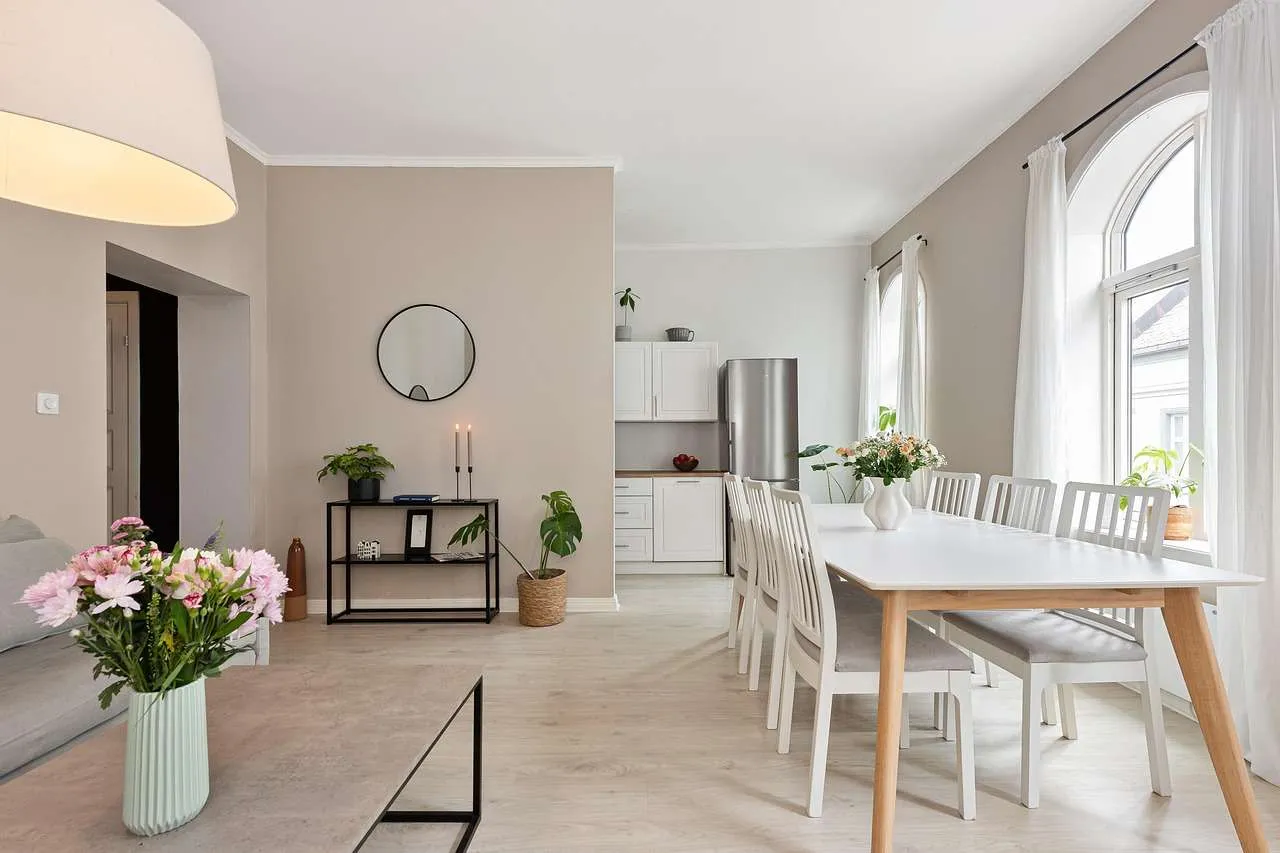
Home window tint refers to a thin film applied to interior or exterior glass to control light, heat, and UV exposure while enhancing privacy. Modern window films come in several chemistries and constructions, each designed for different climates and aesthetics. For homeowners, asking the right questions about performance, maintenance, and warranty helps ensure you invest in a solution that lasts. This article explains what home window tint is, the main benefits, the common film types, choosing criteria, and how to hire a reputable installer to meet EEAT standards.
What is home window tint?
Home window tint is a polymer-based film that adheres to glass to reduce heat transfer, block UV rays, and lessen glare. Unlike decorative films, which are chosen mainly for appearance, window tint is engineered to improve comfort and energy efficiency. Films can be clear or tinted and may include elements such as ceramic particles, metalizing, or laminated layers. Installed correctly by trained technicians, window tint becomes a long-lasting added layer of performance for any home.
Key benefits of home window tint
Installing window tint offers several practical advantages. First, energy efficiency: by reducing heat gain in summer and heat loss in winter, tinted windows help steady indoor temperatures and can lower cooling and heating costs. Second, UV protection: most films block up to 99% of harmful ultraviolet radiation, preserving flooring, furniture, and artwork from fading. Third, glare reduction: less glare improves TV and computer screen visibility, making living spaces more comfortable during daytime hours. Fourth, privacy and security: tinted film makes it harder for people outside to see inside while still allowing occupants to see out. Finally, safety and durability: some films hold shattered glass in place during impact, minimizing the risk of injury from broken shards.
Types of tint films
Ceramic tint
Ceramic films use non-metallic particles that provide strong heat rejection without interfering with household electronics or home networks. They offer excellent UV protection, high clarity, and minimal color shift, making them a popular choice for modern homes concerned with comfort and aesthetics.
Metalized tint
Metalized or mirrored films reflect a portion of incoming heat and light. While they deliver noticeable heat control, they can cause slight glare and, in some cases, interference with certain devices or exterior antenna signals. They are typically more affordable than ceramic options but may not be ideal for homes with complex electronic setups.
Dyed and blended tint
Dyed films incorporate color pigments to reduce glare and heat. They are generally budget-friendly and can improve privacy, but they may fade over time and offer varying levels of UV protection compared with ceramic or spectrally selective films.
Spectrally selective and low-emissivity films
These high-performance films balance visible light transmission with heat rejection. They are designed to preserve natural daylight while lowering cooling loads, making them suitable for homes with large windows or solar exposure. They often carry premium warranties and are favored for modern architecture.
Choosing the right tint for your home
Selecting a film involves weighing aesthetic goals, climate, and daily living patterns. Start by assessing how much natural light you want to retain and how much privacy you need from street view. Consider the following criteria:
- Visible light transmission VLT: higher VLT means lighter appearance; lower VLT gives more privacy.
- Heat rejection: higher performance reduces cooling loads, especially in hot seasons.
- UV protection: ensure the film blocks at least 99% of UV rays to protect interiors.
- Glare control: for rooms where screens are common, choose a film with strong glare reduction.
- Clarity and color stability: ceramic and spectrally selective films maintain clarity and resist fading.
- Compatibility: ensure the film is compatible with existing windows and local building codes.
Legal considerations vary by region. Some jurisdictions regulate tint darkness on living areas or require specific classifications for front-facing windows. A licensed installer will know the local rules and can help you select a compliant option.
Cost, energy savings, and return on investment
Prices depend on film type, window size, and installation complexity. In general, ceramic and spectrally selective films command higher install costs but offer greater energy savings and longer warranties, which can translate into a favorable return over time. When evaluating ROI, consider: improved comfort, reduced glare, protection of furnishings from fading, potential insurance implications, and the convenience of a single product performing multiple functions rather than separate blinds or shades.
Installation and maintenance considerations
Professional installation is recommended for most homes to ensure a bubble-free, uniform finish and to preserve warranties. An experienced installer will prepare glass surfaces, apply the film without air pockets, and trim edges precisely. Maintenance is straightforward: clean with non-ammonia glass cleaners and soft cloths to avoid streaks or residue; avoid abrasive pads. If you notice peeling or bubbling, contact your installer under warranty terms rather than attempting DIY fixes, which can worsen damage.
Comparison of common tint options
| Tint option | UV rejection | Heat rejection | Glare reduction | Visibility from inside | Installation/price |
|---|---|---|---|---|---|
| Dyed | Moderate | Low to moderate | Moderate | Good | Low to mid; affordable |
| Metalized | High | High | High | Possible glare | Mid; some devices may be affected |
| Ceramic | Very high | Very high | High | Excellent | Higher; premium but durable |
| Spectrally selective | Very high | Very high | High | Clear interior view | Premium; best energy performance |
How to hire a reputable installer
- Check licenses and insurance; request proof of certification from manufacturers.
- Ask for a portfolio of residential installations and references.
- Ensure a written estimate, warranty terms, and a clear timeline.
- Confirm film type and VLT specifications before signing a contract.
- Request on-site samples or a visual mock-up to see how the tint looks in your space.
Maintenance and care guidelines
Proper care extends the life of your tint. Clean with a soft cloth and a mild, non-ammonia cleaner. Avoid abrasive scrubbers and do not use harsh solvents. If you live in a region with hard water or mineral deposits, rinse with clean water to prevent streaks. Periodically inspect the edges for adhesion and address any bubbling or peeling promptly with your installer to preserve warranty coverage.
Summary: By understanding film types, benefits, and installer selection, you can significantly improve comfort, energy efficiency, and privacy in your home while protecting furnishings and reducing glare. Always work with licensed installers, verify warranties, and follow care guidelines to maximize the life of your home window tint.